Carrara Studi Aperti 2026
From June 12 to 14, 2026, Carrara's studios open their doors: step inside the places where art is born, grows, and takes shape.
Studios and Workshops in 2026 Edition Scarica la mappa 2026Studios & Ateliers
Discover all present and past Carrara Studi Aperti protagonists.
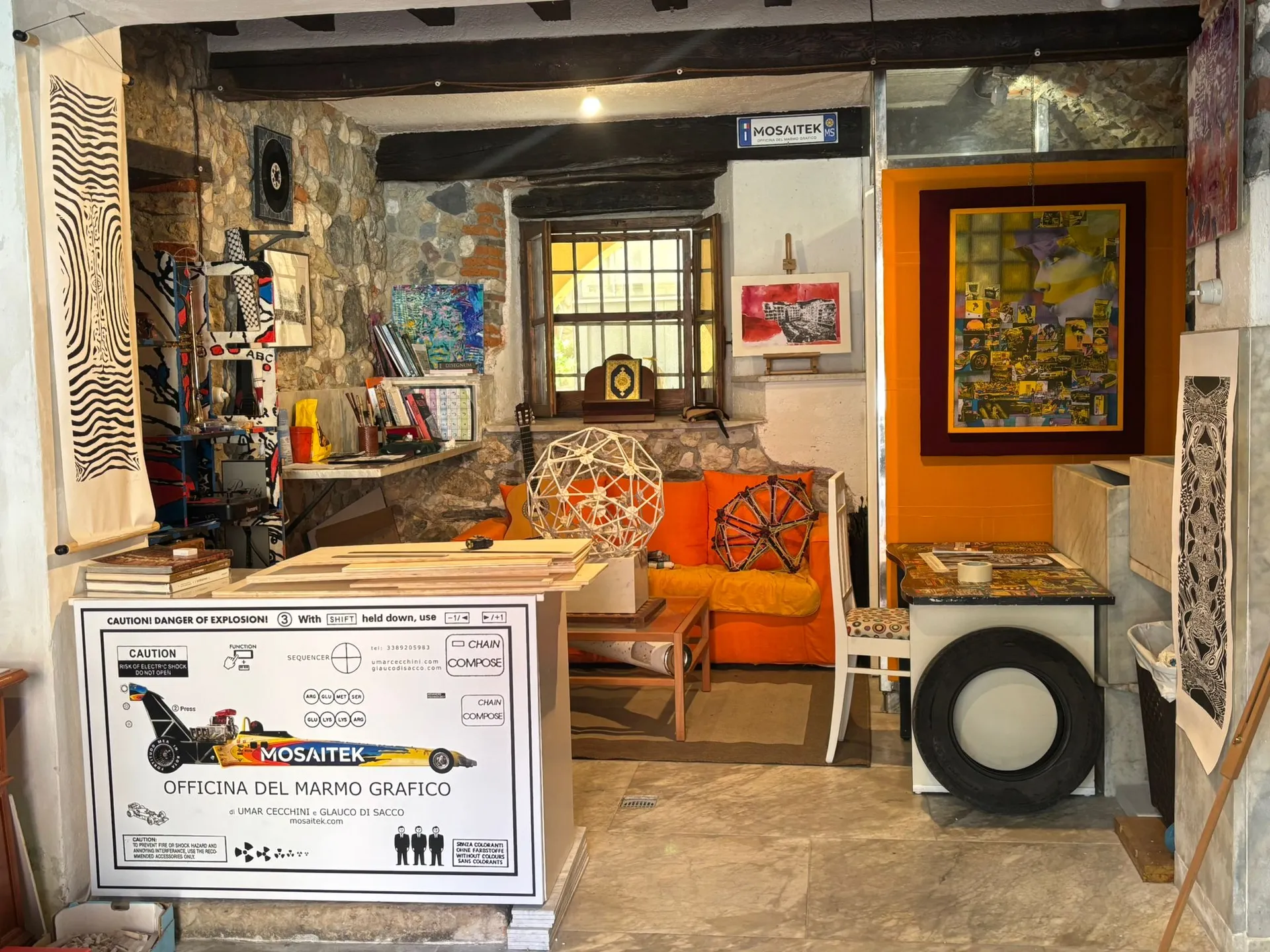
Mosaitek - Officina del marmo Grafico
Art Studios
Cane Bianco Ettore
Art Studios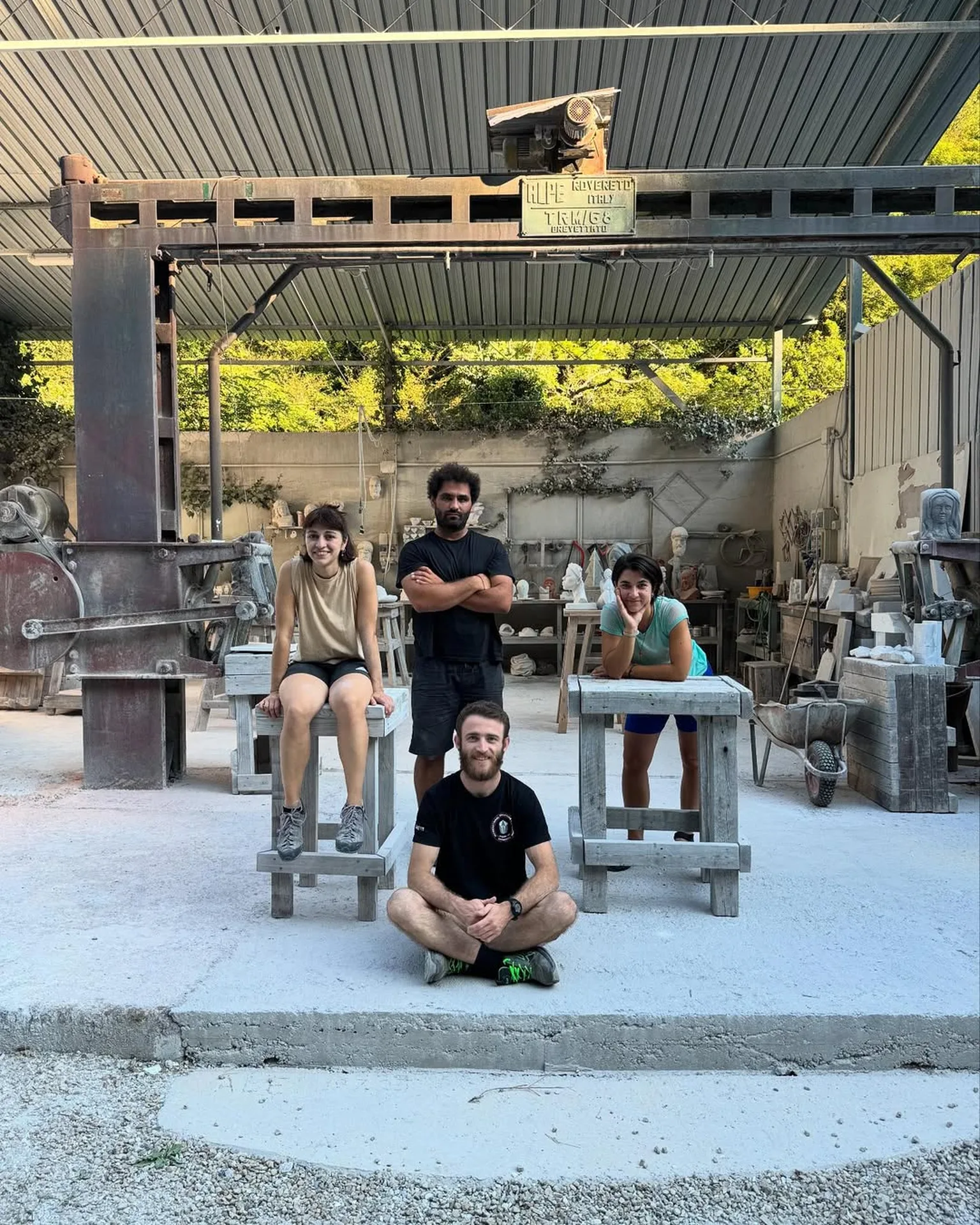
Laboratorio Menconi
Art Studios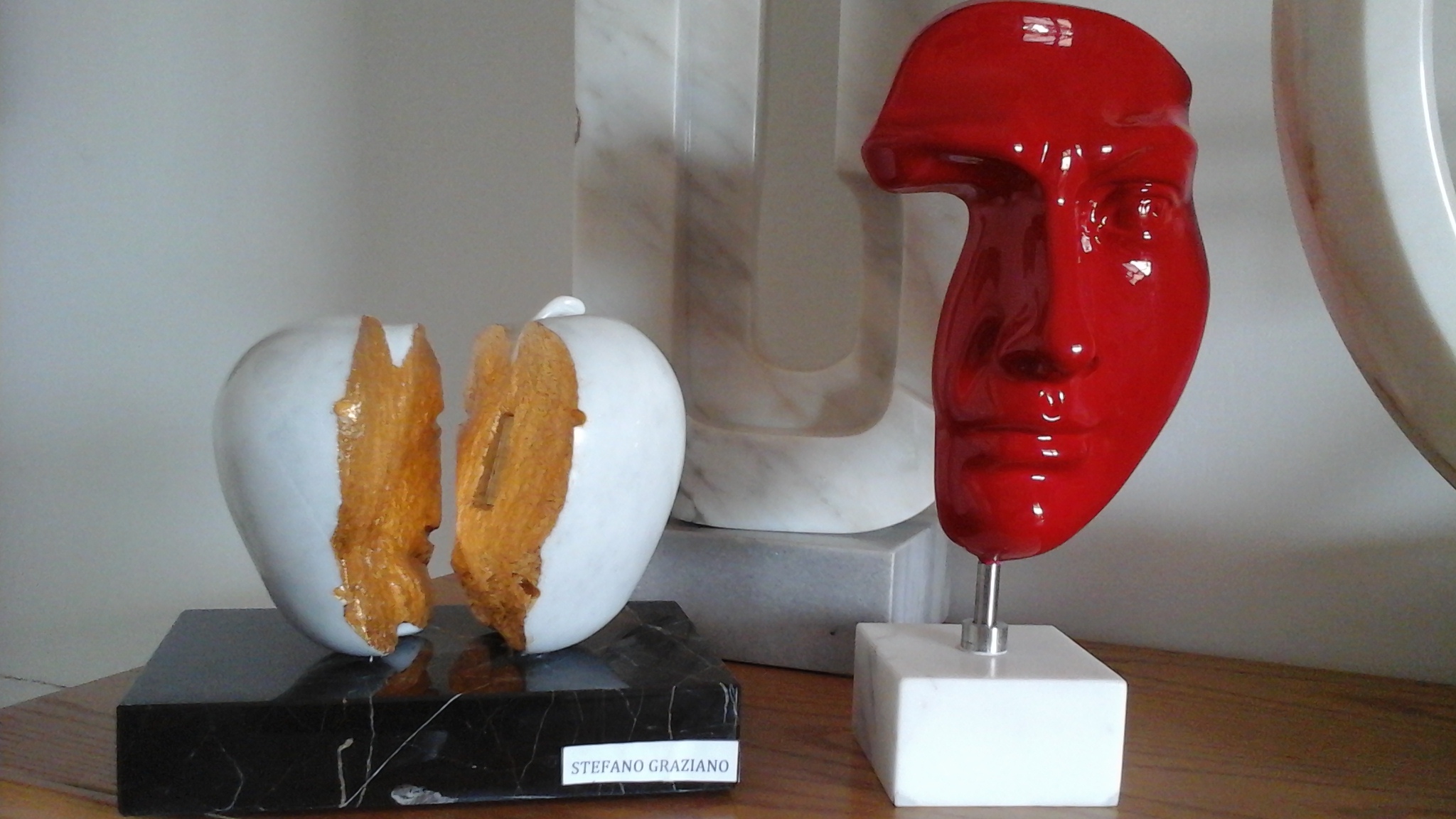
Studio La Grotta
Art Studios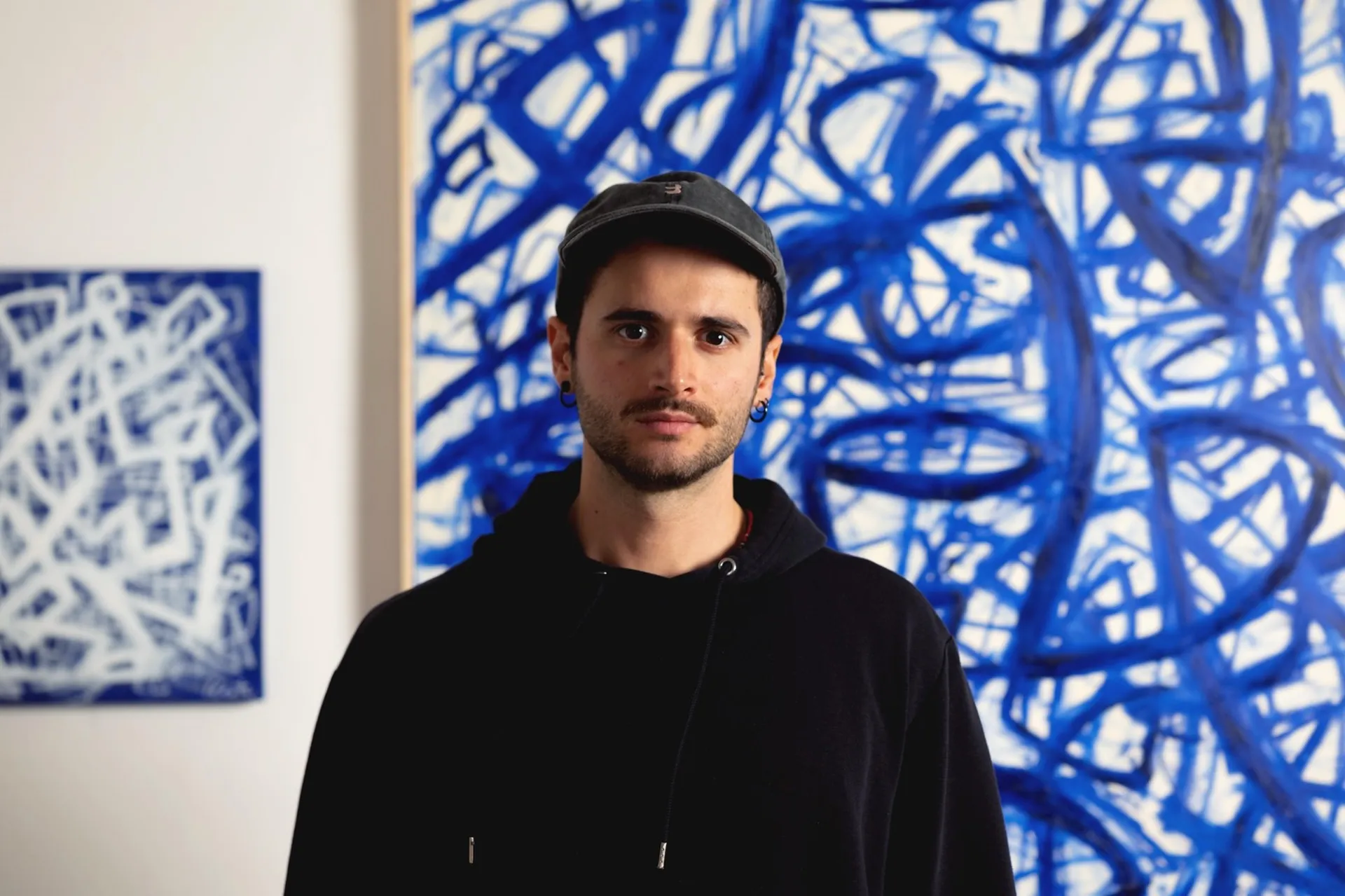
Andrea Polenta
Art Studios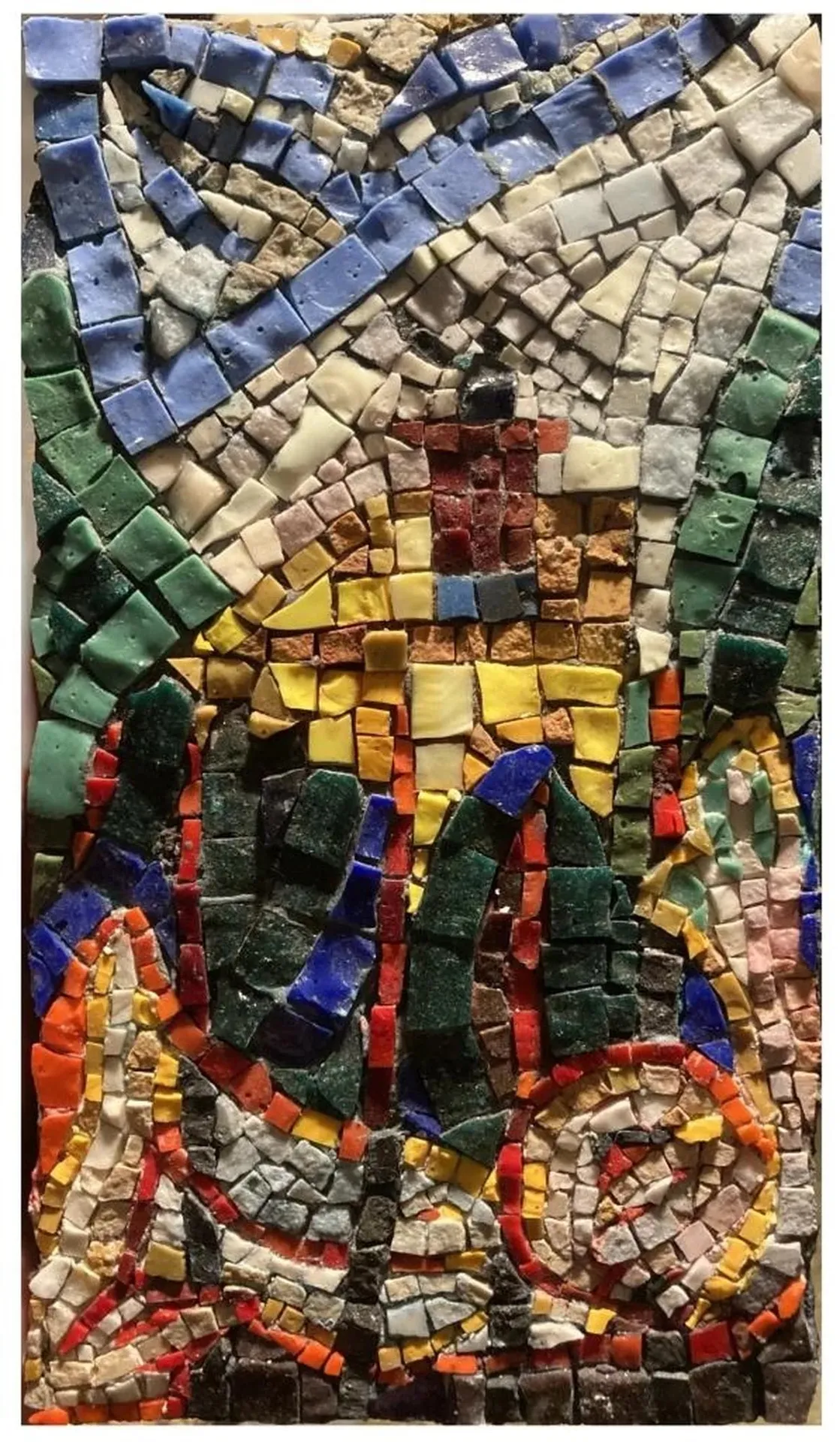
InBeccheria
Art Studios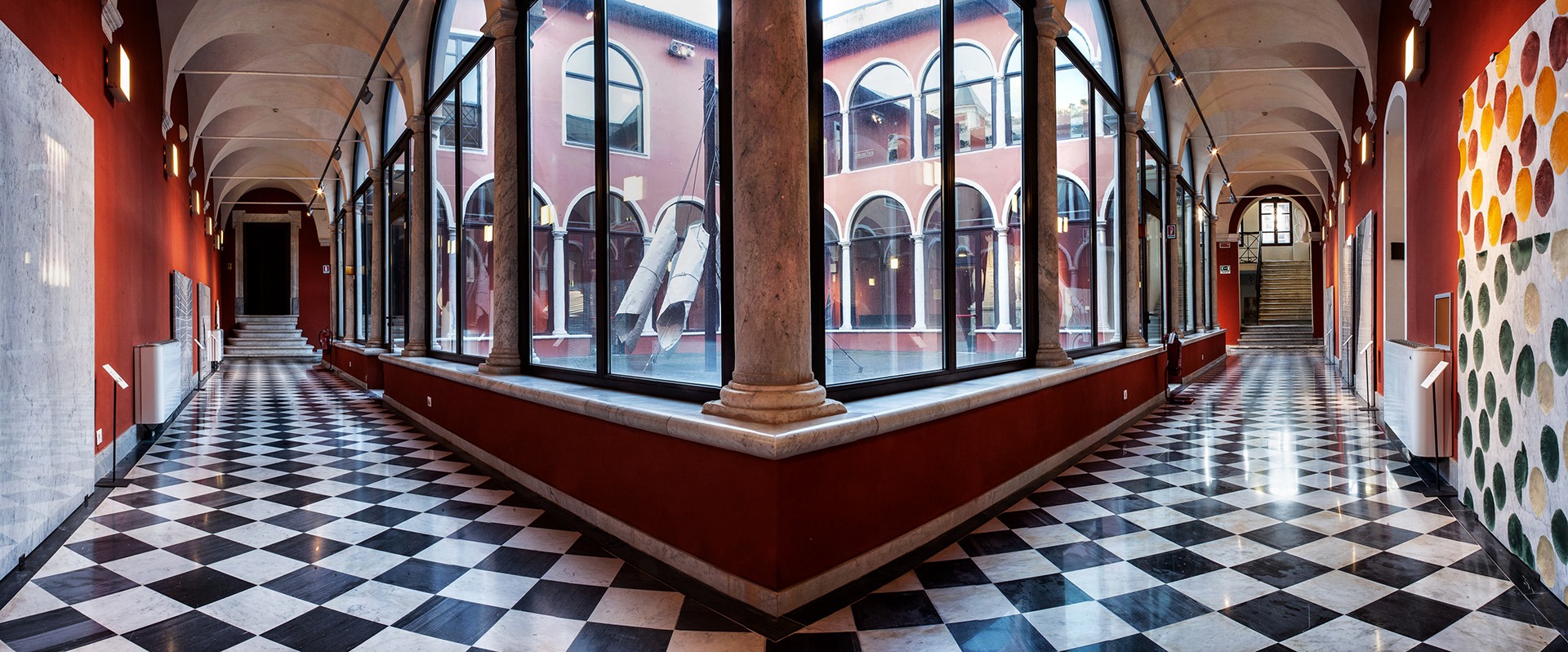
MudaC - Museo delle Arti Carrara
Gallerie e Spazi Espositivi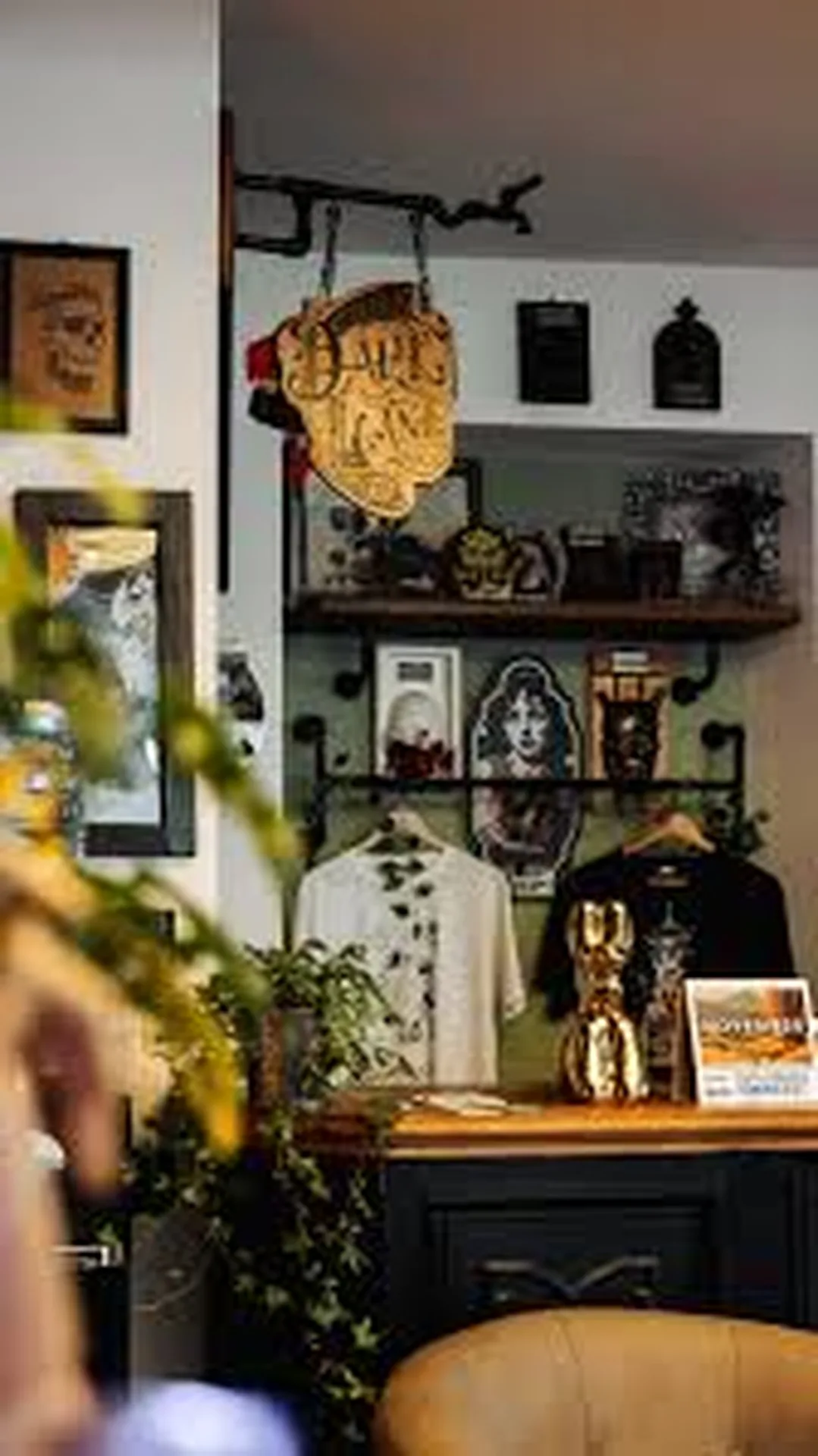
The Outline Studio - Tattoo Studio
Gallerie e Spazi Espositivi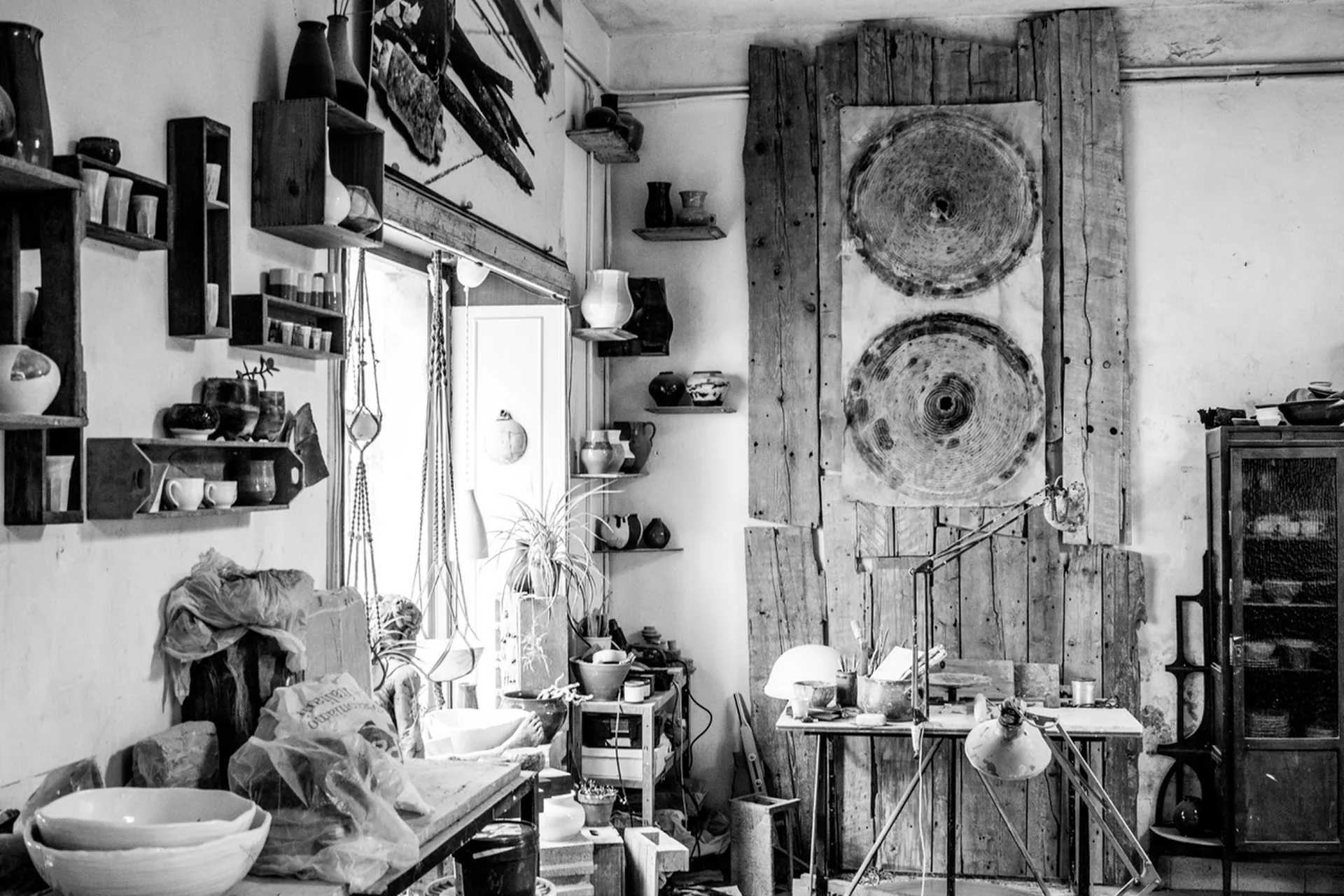
ArtStudio Baluardo
Art Studios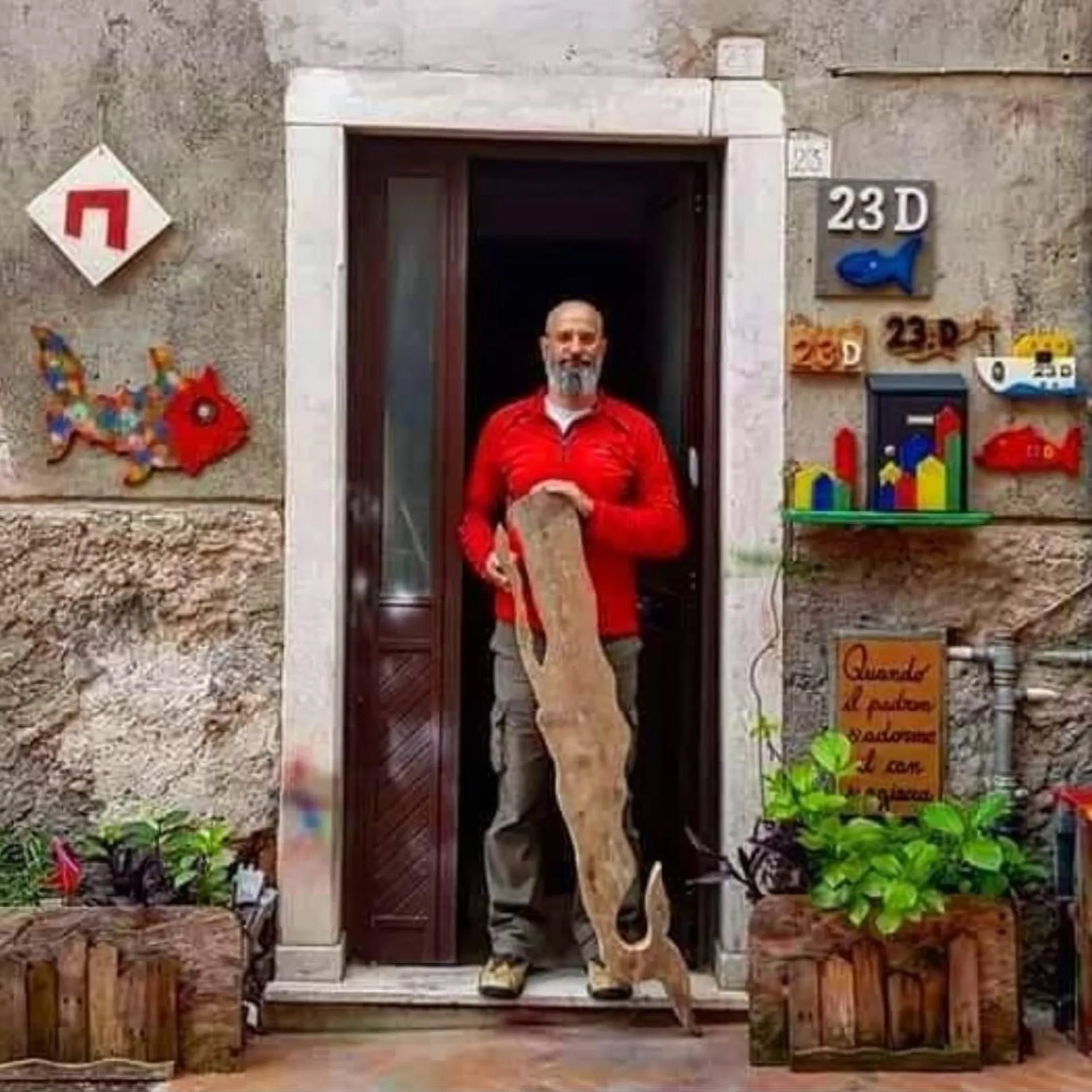
La Bottega di Giacomo
Art StudiosCarrara Studi Aperti 2026: the event
From 12 to 14 June 2026, Carrara once again offers a unique diffuse art experience with "Carrara Studi Aperti", an event curated by the A.P.S. Oltre Association, in collaboration with the Municipality of Carrara, the Tuscany Region and the UNESCO Creative Cities, included in the programme of Carrara as Tuscan Capital of Contemporary Art 2026.
The initiative does not merely open the doors of places dedicated to artistic research and creation, but transforms the entire urban fabric into a total experience, weaving together the history of great masters with the contemporary scene and offering the public an unprecedented encounter. Streets, squares and art studios become living spaces of connection, exchange and participation, telling the story of the deep bond between artistic practices, a sense of belonging and the urban context.
The event once again places the local artistic community at its centre, recognising its essential cultural role.
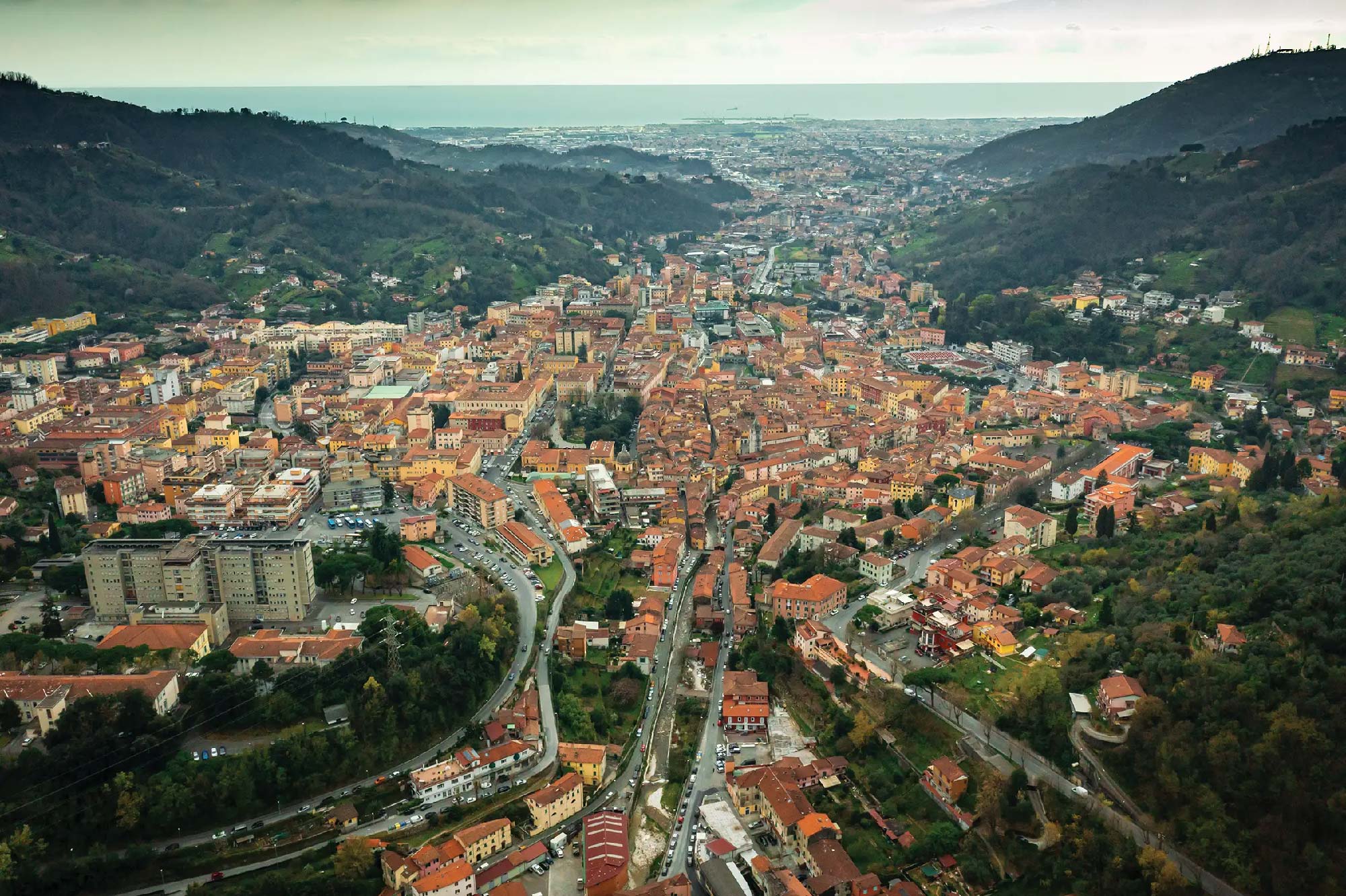
The 2026 edition maps out a widespread network of 62 active studios, distributed between the historic centre and the mountain areas.
Many of the studios involved will this year welcome artists from other territories or without a studio of their own, making collaborative hospitality one of the defining features of this edition and bringing the number of professionals present to over 200. This synergy transforms the private space of the atelier into a public place of cultural dialogue and participation.
The mudaC (Museum of the Arts of Carrara) will be accessible for the entire duration of the event, bringing its collection into dialogue with the places of artistic creation.
Among the notable presences will be the Carrara Academy of Fine Arts, which will open its doors for an extraordinary visit (Friday throughout the day and Saturday morning), offering the public the opportunity to understand the full arc of creative training.
Many new features this year will make Carrara Studi Aperti even more accessible, dynamic and technology-driven. Studio opening times will be brought forward, on Saturday and Sunday, to 10 in the morning, allowing visitors to explore the artistic landscape at a relaxed pace throughout the day. The public will also be able to access the new online digital map, via link or QR code, which will be updated throughout the year. Through this tool, visitors will be able to locate studios, find directions to reach them, and access information and contact details for each one, as well as the artistic events scheduled.
In Piazza del Duomo, the ARCI Michelangelo Club will host the Info Point, where all useful information about the event can be obtained, printed materials collected, and from which the 10 guided tours (bookable in advance) will depart, with departure times at 10:30, 15:00 and 17:30. On Saturday 13 and Sunday 14, a shuttle service will allow visitors to reach the workshops in the mountain areas, ensuring a connection between the town centre and the uphill villages.
At the Teatro di Terra, workshops dedicated to younger audiences will be available, bringing new generations closer to artistic practices.
Finally, on Friday and Saturday evenings from 21:30, Piazza delle Erbe will come alive with concerts and performances.
THE GRAPHIC CONCEPT FOR THE 2026 EDITION
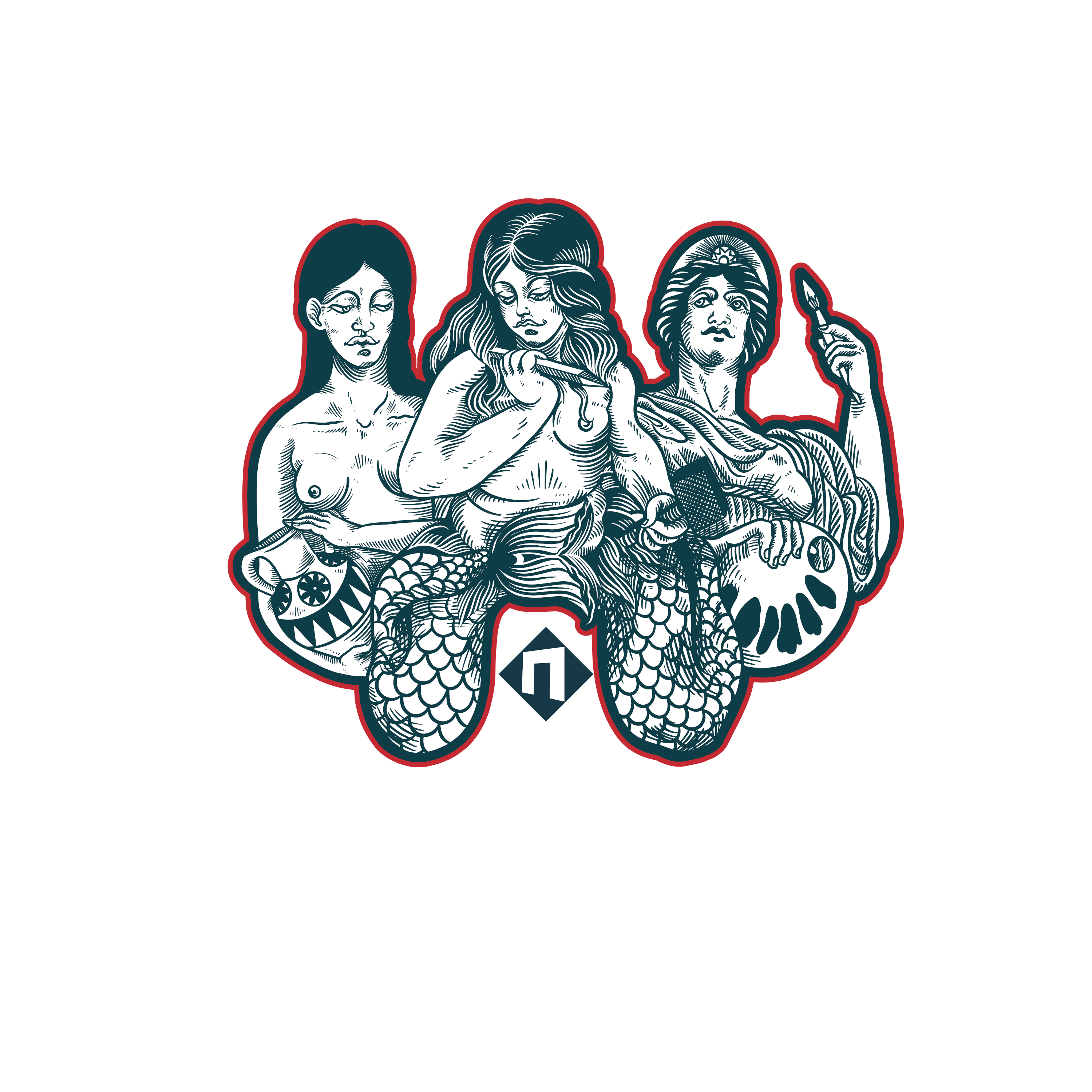
The graphic concept that Rosmunda has created for the 2026 edition of Carrara Studi Aperti reinterprets three sculptures present in the city's urban fabric -- the Siren of the Ponte delle Lacrime fountain, the Moretta of the Cesare Poli fountain, and the statue of Maria Beatrice d'Este in Piazza Alberica -- transforming them into symbolic figures of the artistic practices currently active in Carrara's studios.
These are works belonging to different contexts and moments in local history, united by the presence of female figures in public space. In the proposed reinterpretation, these presences do not take on the traditional role of inspiring muses alone, but become active figures embodying contemporary artistic practice. This choice is also intended to draw attention to the often still undervalued role of women in cultural production, despite the significant strides towards emancipation already made.
The statue of Maria Beatrice d'Este, created by the Carrara sculptor Pietro Fontana in the early nineteenth century and placed at the heart of Piazza Alberica, is one of the city's main symbolic monuments and bears witness to the historical ties between political power, artistic patronage and territorial identity. Although she was not the founder of the Academy of Fine Arts -- which was established in the eighteenth century by her ancestor Maria Teresa Cybo-Malaspina -- her figure remains associated with the institutional and cultural dimension of the territory. In the graphic reinterpretation she is depicted with a brush and palette, to highlight the vitality of the studios devoted to painting, graphic arts, illustration and urban art present in Carrara today.
The Siren of the Ponte delle Lacrime fountain belongs to a more narrative and popular dimension. A figure symbolically connected to water and to the relationship between mountain, river and sea, she evokes the mythological and landscape imagery that runs through Carrara's history. In the graphic concept she holds a hammer and chisel, tools of sculpture, as a tribute to the historic presence of sculpture studios that have made Carrara an international reference point in the artistic world.
The Moretta of the Cesare Poli fountain is a more discreet presence, yet deeply rooted in everyday urban life. Like many decorative figures associated with historic fountains, she recalls the relationship between water, civic life and the domestic dimension of the city. In the reinterpretation she carries a vase, a symbol of the connection to workshop practices linked to ceramics, design and the various forms of non-marble artistic craftsmanship widespread in the territory.
Each of the three figures thus becomes the symbolic bearer of different areas of local artistic production, returning an image of a city that is not exhausted by a single tradition but that lives through a plurality of practices, languages and experiments.
The pattern that forms the background to the three subjects is a visual synthesis of the mountain and the water flowing from it, a reference to the Apuan Alps and the Carrione river. This element aims to evoke the interdependence between the natural landscape, productive history and cultural identity of the territory, suggesting a balanced reflection on the relationship between extractive activities, the environment and landscape quality -- a topic of particular concern to the local community today.
In this context, Carrara Studi Aperti takes shape as a moment of encounter between artistic practices, citizenship and territory: an event that celebrates the vitality of art studios and their social function, fostering exchange, accessibility and cultural participation. The graphic concept seeks to convey this complexity, offering an identity-laden image capable of engaging with the city's history and its contemporary transformations.
How to get around in Carrara
By Shuttle Bus / By Car / By Foot
By Shuttle Bus
A shuttle bus service will support guided tours to some of the participating studios upstream from the historic centre. The bus will leave from the parking lot Ponte di Ferro (Studio 2) and the rides will be active from 15:00 to 20:00 on September Saturday 17th and Sunday 18th 2022.
By Car
Car can be useful to visit the studios that are located outside the historic center. Remember that In the center (area bordered by the red circle on the map) all paid-for spaces (blue parking) are FREE from 13:00 on Saturday and throughout Sunday.
By foot
The best way to enjoy Carrara Studi Aperti: to get from a point to its opposite, on the circumference that marks the city center, the average walking time is 15 minutes (with no stops). Considering the amount of things to see in the historic center… You will decide the average time spent!
Useful Information
-
Available Info-points to visitors for the whole event are:
- Tabularasa Teké Gallery (number 46) - Via Santa Maria 13, Carrara (Limited Traffic Zone)
- Estensioni Oltre lo Spazio Gallery (number 48) - Via Ulivi 6b, Carrara
- Info-point Tourist Office Municipality of Carrara - Piazza Alberica, Carrara
- Each Studio & Atelier in Carrara Studi Aperti 2022 will be marked at its entrance by a marble tile with the logo of the event
- The shuttle bus service is FREE and is available for both guided tour visitors and those who choose to visit the studios on their own
Prenota la tua visita guidata al 379 2905601
